

 admin
adminPUTRAJAYA – May 2, 2026: For years, Malaysia’s digital progress was measured by familiar milestones: faster internet speeds, wider connectivity, more smartphones in more hands, and a growing number of services moving online.
These days, food can be ordered with a tap, bills settled in seconds, jobs applied for remotely, and government transactions increasingly completed without a trip to the counter.
By many measures, the country has made real progress in bringing people online.
But as digital life becomes routine, a new challenge is beginning to surface. One less visible than broadband maps or download speeds, yet far more personal to everyday users.
Trust.
Many Malaysians know the feeling. A sign-up process that asks for repeated uploads of the same documents. An app that demands multiple verification steps before use. A financial transaction paused by identity checks. A suspicious message pretending to be from a bank. A fake job listing. An online process abandoned halfway because it simply feels too troublesome.
Malaysia may have advanced in digital access. The next phase is about whether people trust the journey enough to complete it.
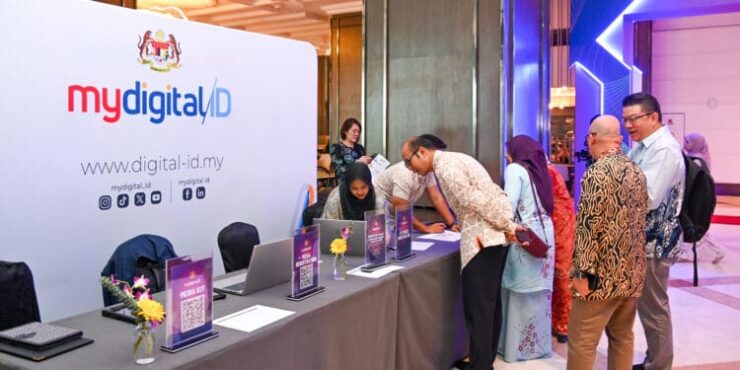
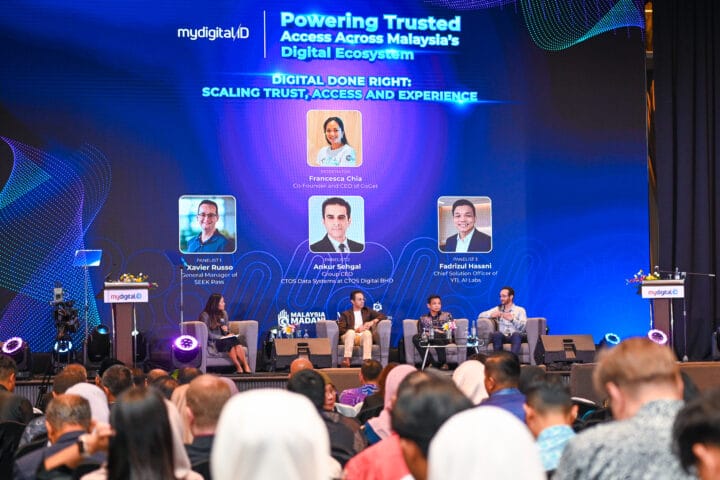
That distinction formed the heart of a recent forum session titled “Digital Done Right: Scaling Trust, Access and Experience,” held as part of the MyDigital ID: Powering Trusted Digital Access Across Malaysia’s Digital Ecosystem event on April 30, here.
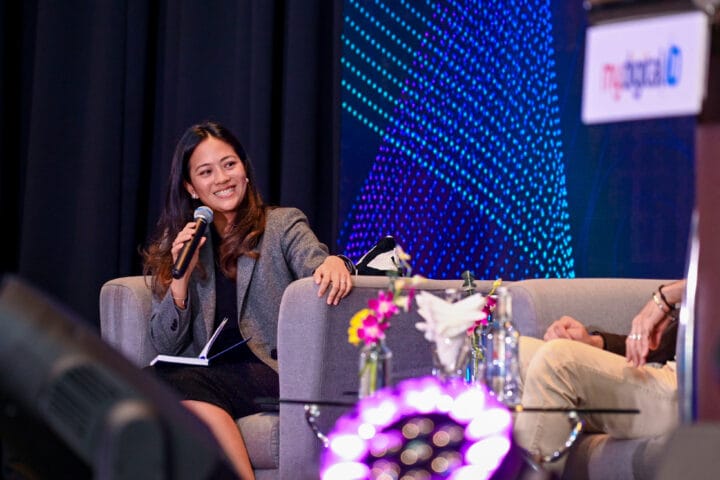
Moderating the session, GoGet co-founder and CEO, Francesca Chia, framed the discussion around three layers: trust, access and user experience.
“As always, when we have a new development of technology, we need to go to the ‘so what’,” she said. “The implementation, how will it be applied?”
It was a pointed reminder that digital transformation is no longer just about launching systems but rather about whether those systems work naturally in everyday life.
Across the world, digital economies are learning that convenience alone is no longer enough. As more services move online, users increasingly expect experiences that are not only fast, but reliable, secure and intuitive.
Users want to know their personal information is protected. They want confidence that the person or organisation on the other end is genuine. And they want all of this without being forced through a maze of repetitive checks.
This is where friction becomes costly.
Every extra verification step can mean a customer who gives up before finishing registration.
Every uncertain identity can mean a business forced to spend more on checks, compliance and fraud prevention.
Every fake account or scam incident chips away at confidence in the wider system.
In short, distrust carries an economic price.
CTOS Digital Bhd group CEO, Ankur Sehgal, argued that Malaysia has already progressed through earlier stages of digitisation.
“We have already moved from digital access to digital transaction to now the digital trust stage,” he said.
His point was simple but significant. Once digital payments, e-commerce and online services become mainstream, trust stops being a secondary issue. It becomes central to continued growth.
“If digital trust breaks, that will have a significant impact on digitalisation. The growth of the economy. The growth of the whole embedded finance ecosystem,” Ankur added.
The effects can be seen across sectors.
In hiring, employers need confidence that applicants are who they claim to be and possess the qualifications listed.
In finance, lenders and platforms need secure onboarding processes that meet regulatory standards while remaining user-friendly.
In e-commerce and digital services, platforms need to verify users without driving them away through cumbersome registration journeys.
When trust weakens, transactions slow. When transactions slow, growth follows.
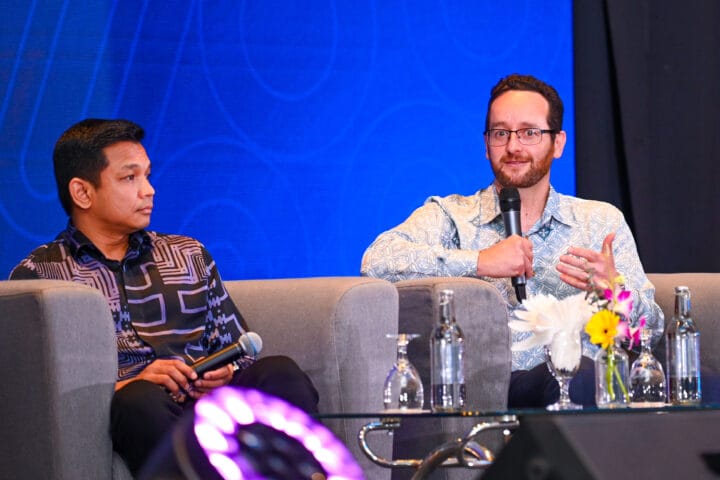
That was the lens offered by SEEK Pass general manager, Xavier Russo, who spoke from the employment marketplace perspective.
“If you cannot trust any of the information, then the marketplace is going to slow down,” Russo said. “We don’t get as vibrant of an economy because we are not putting the right person for the right job.”
Russo noted that identity sits at the beginning of a much wider chain of confidence. Once an individual’s identity can be trusted, other credentials such as skills, qualifications and work history, become easier to verify and use meaningfully.
Traditionally, however, the burden of trust has often fallen on users themselves: upload your identification card, take a selfie, wait for checks, then repeat the process on another platform.
It is expensive for businesses and exhausting for consumers.
That is why digital identity is increasingly being viewed not as a niche technical tool, but as core infrastructure.
YTL AI Labs chief solution officer, Fadrizul Hasani, described the friction many users face today.
“I know who I am, but the system does not know who I am,” he said. “So how do I prove to the system that I am who I say I am?”
Without a common trusted layer, Fadrizul noted, users are often required to go through multiple steps. Document scans, facial verification and manual checks, each time they register for a service.
“With MyDigital ID, what we have experienced is basically a seamless experience,” said Fadrizul. “Press button, do a bit of ‘dance’, and that’s it.”
The “dance” Fadrizul referred to was the brief back-and-forth many users now experience between an app they wish to access and the MyDigital ID app, where consent is given for identity details to be securely shared through the single sign-on process.
Nonetheless, behind the humour was a serious point: convenience and trust no longer need to be trade-offs.
Indeed, one of the most striking themes of the forum was that the best security may be the kind users barely notice.
Ankur said stronger verification should be integrated in ways that are “almost invisible” to customers, so businesses can improve security without adding more steps or making onboarding more tedious.
That principle matters because public patience for clunky digital experiences is wearing thin. Users compare every service not against policy intentions, but against the smoothest app on their phone.
Indeed, if a banking process takes too long, they notice. If applying for a job feels cumbersome, they abandon it. If an online service feels unsafe, they hesitate.
That means user experience is no longer separate from infrastructure or policy. It is part of delivery itself.
Malaysia enters this next chapter with important advantages: high internet penetration –at 98%–, a digitally engaged population, expanding online services and growing awareness of cybersecurity risks.
The challenge now is to connect those strengths into a coherent experience people can trust.
That requires cooperation between government agencies, financial institutions, employers, technology providers and digital platforms. It requires systems that work together. It requires security that does not suffocate convenience.
Most of all, it requires recognising that trust is built not only through code or regulation, but through everyday digital interactions that consistently work.
The first digital decade was about getting Malaysians online.
And so perhaps the next may be about making online life feel dependable enough that no one thinks twice about using it.
-AsiaNewsToday