 admin
adminCYBERJAYA – April 18, 2026: It was just days before Hari Raya and Nor Amalina Abdul Aziz was a woman in a hurry.
The 33-year-old medical claims specialist was preparing to return to her hometown. One last errand stood in her way: renewing her driving licence through the MyJPJ app.
She unlocked her phone; booted the app, ready to get it done in minutes.
Then came the pause.
She couldn’t remember her password.
A few failed attempts followed. A reset prompt appeared, but she ignored it, frustrated at being locked out of something that was meant to be simple.
And then she noticed it.
A different option on the screen. ‘Log in with MyDigital ID.’
It jogged her memory. Late last year, at a self-service kiosk tucked inside a bubble tea shop, she had registered for it almost on a whim. A quick QR scan, a few steps, and she was done. She hadn’t thought much about it since.
Now, it was the thing that got her back in.
No password to recall. No reset required. Just a quick verification and within moments, she was through.
It was a small moment of convenience, perhaps, but it was one that reflected a broader shift already taking shape in how Malaysians access digital services.
Instead of juggling multiple usernames and passwords across different platforms, a single national digital identity is providing a simpler way in is taking its place.
This is the small change more Malaysians are beginning to notice. And like many small changes, it signals something bigger.

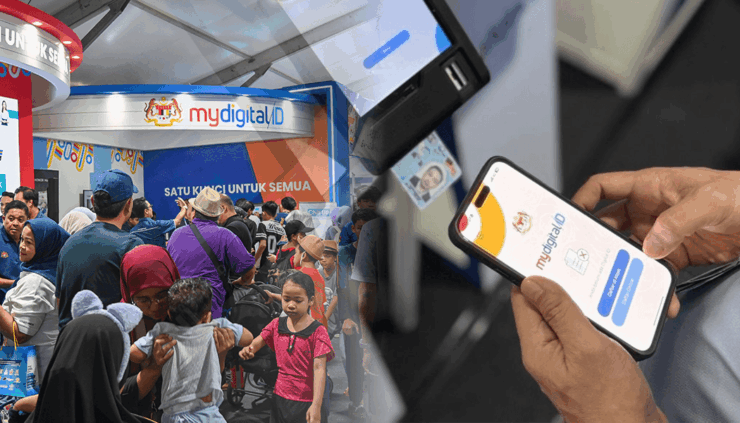
MyDigital ID, the country’s national digital identity system, now counts about 11 million users. In February, that number stood at 9.7 million.
This 13.4% jump in mere two months, however, did not happen by accident.
Part of it came when mobile application of popular services, including those linked to the government, such as MyBayar PDRM and MyHRMIS, began requiring the ID for access.
Nonetheless, the story runs deeper than any single mandate.
“Integration with high-traffic platforms has certainly accelerated adoption, but what we are seeing is the result of a broader, multi-pronged effort,” said MyDigital ID’s deputy chief executive officer, Ir. Ts. Azrin Aris.
According to Azrin, who oversees technology, innovation and delivery, more than 100 platforms, across government, government-linked companies and private services, now accept the same login.
In other words; one identity. One key. Many doors.
For users, the presumable appeal is simple. Fewer passwords to remember. Less friction in moving from one service to another. A login that feels less like a barrier and more like a bridge.
“Users benefit from a single, unified login, eliminating the need to manage multiple usernames and passwords across different platforms,” Azrin explained.
“At the same time, the system is designed to offer a significantly higher level of security compared to traditional methods,” he added.
At its busiest, said Azrin, MyDigital ID processed 142,000 registrations in a single day. Even then, it was using less than half of what it could handle. The system is built to manage up to 1.3 million registrations a day.
“Today, it runs at about a tenth of that,” said Azrin. “This headroom ensures that we are well-prepared to accommodate future growth without compromising performance or user experience.”
Adoption, meanwhile, is picking up speed.
Login volumes rose by 98.7% between the second half of 2025 and the first quarter of 2026. That kind of exponential growth suggests more than compliance. It hints at comfort and confidence, proving that people return to systems they trust.
Security plays a role here, though it rarely makes headlines. MyDigital ID replaces passwords with encrypted digital keys and is built to detect signs of compromise, from altered devices to suspicious app environments.
“When such risks are detected, the system will restrict access and notify the user accordingly. These measures are aligned with cybersecurity best practices to protect users’ digital identities and ensure that transactions remain secure,” Azrin noted.
Trust, however, is not built by code alone.
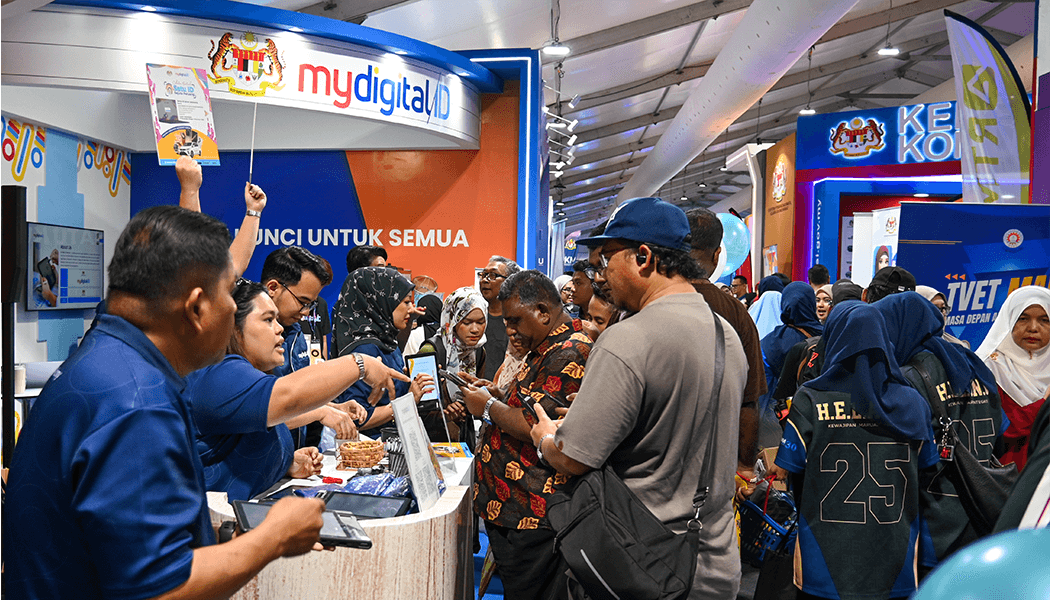
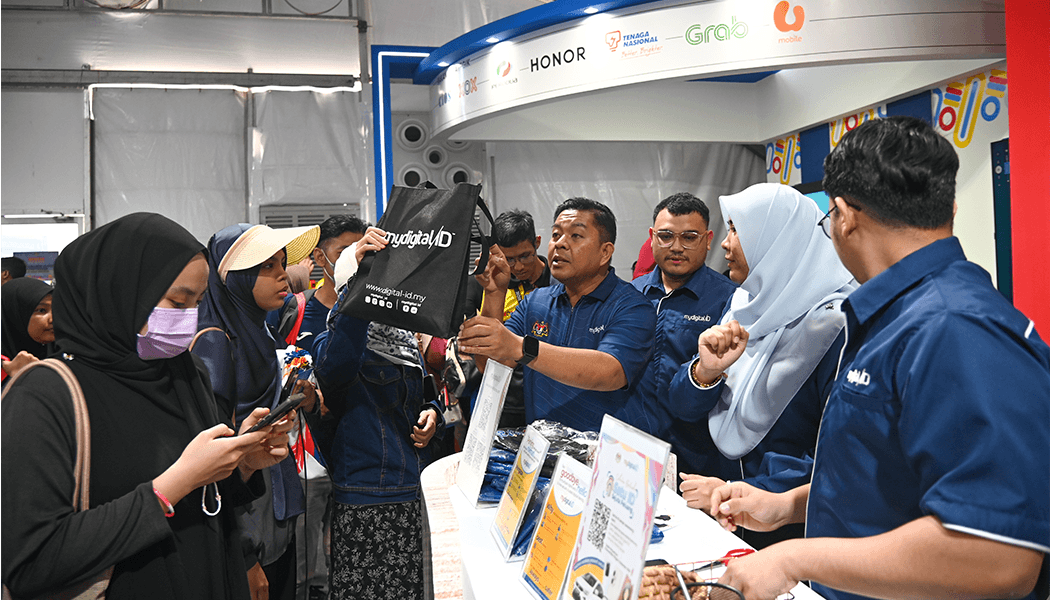
Over the past year, the team behind MyDigital ID has gone on the road, running more than 100 on-ground public-facing engagements across the country.
“While this is a digital solution, trust is often built through human interaction,” said Azrin. “These engagements have been instrumental in fostering confidence and brand familiarity among Malaysians.”
The system is also learning to move faster. For users who already have verified accounts on platforms such as MyJPJ or MyBayar PDRM, registration can now take less than a minute, using facial verification.
“This reduces onboarding time significantly, making it easier for users to get started and access services almost immediately,” Azrin added.
Behind the scenes, the machinery continues to expand.
According to Azin, cloud-based infrastructure allowed the system to scale as demand rises. Automated processes reduce the need for manual checks, keeping things moving even when traffic surges.
“We have designed MyDigital ID with scalability at its core, ensuring that even during periods of high demand, users continue to experience fast and reliable service,” he said.
All of this points to a shift that is easy to miss, because it does not arrive with neither much noise nor fanfare.
A digital ID that began as an option is becoming a habit. And like all habits, it has a way of turning into expectation.
Perhaps, in time, it will inevitably become the default.
-Hipz.My