

 admin
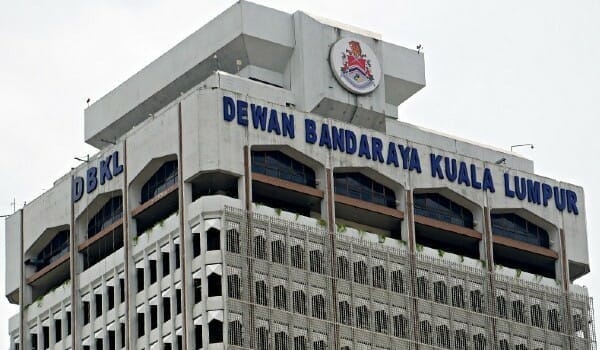
adminKUALA LUMPUR, 4 February 2026 – Perikatan Nasional Members of Parliament (MPs) have raised concerns about the proposed Kuala Lumpur Mayor Election, describing the move as “simplistic, naive, and potentially misdirected” if it aims to improve the efficiency of the Kuala Lumpur City Hall (DBKL).
In a statement issued by Perikatan Nasional Chief Whip Takiyuddin Hassan, the MPs emphasized that the effectiveness of city administration does not rely solely on whether its leadership is elected or appointed. Rather, it depends on the strength of institutions, governance systems, and management culture within DBKL.
“If the objective of this proposal is truly to enhance DBKL’s performance, a more practical and realistic approach would be to focus on core administrative and governance issues,” the statement said.
“These include DBKL’s organizational structure, leadership quality, human resource management, coordination between departments and agencies, integrity and enforcement mechanisms, prioritization processes, and the consistency and speed of decision-making.
The MPs also noted significant legal and constitutional considerations. Kuala Lumpur, as a Federal Territory, is established under Article 95D of the Federal Constitution, and DBKL operates under the Federal Capital Act 1960 and related subsidiary legislation.
Any move toward a mayoral election would require a thorough review of existing laws, including the respective powers of the Federal Territories Minister and other federal authorities.
“A democratically elected mayor without clearly defined legal authority could weaken, rather than strengthen, effective leadership and governance. There is no guarantee that a mayoral election would automatically improve service delivery or governance,” the statement added.
Perikatan Nasional cautioned that introducing elections could politicize city administration, encourage populism, create conflicts with the federal government, and destabilize long-term city planning due to election cycles.
The MPs urged the ministry to refocus studies on realistic institutional, administrative, and legal reforms to strengthen DBKL’s professionalism, accountability, and efficiency, rather than pursuing a potentially risky political experiment.