 admin
adminKUALA LUMPUR, April 3, 2026 — Malaysia has taken a significant step toward strengthening its gig economy landscape with the enforcement of the Gig Workers Act 2025, complemented by the establishment of a dedicated tribunal and a national advisory council aimed at safeguarding workers’ welfare and ensuring fair industry practices.
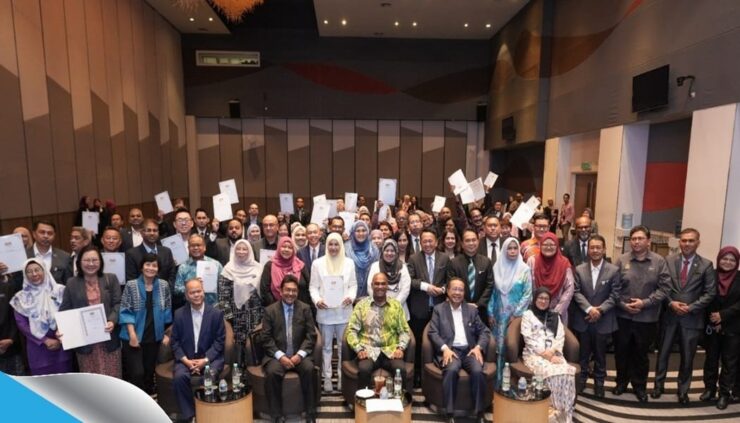
The milestone initiative was marked by the presentation of appointment letters officiated by Human Resources Minister, Ramanan Ramakrishnan. The Act, which came into force on March 31, 2026, is expected to benefit more than 1.64 million gig workers nationwide.
Central to the reform is the formation of the Gig Workers Tribunal (TPG), designed to provide a structured mechanism for resolving disputes efficiently, fairly, and at minimal cost. The tribunal comprises 22 Industrial Court chairpersons and 28 industrial relations officers, underscoring the government’s commitment to institutionalising dispute resolution within the gig sector.
In parallel, the Gig Advisory Council (MPGig) has been established as a strategic platform bringing together key stakeholders — including government agencies, gig workers, and platform providers — to shape forward-looking policies. Among its priorities are studies on fair compensation structures, minimum income thresholds, and comprehensive protection standards for gig workers.
The initiative aligns closely with the broader aspirations of Malaysia MADANI, particularly its pillars of wellbeing, justice, and compassion. It reflects a policy shift toward balancing rapid digital economic growth with inclusive labour protections.
The Ministry of Human Resources (KESUMA) reaffirmed its commitment to enhancing social protection frameworks and called on all stakeholders to support the implementation of the Act. The move is seen as a critical step in building a more resilient, equitable, and sustainable future of work in Malaysia’s evolving digital economy.
As gig work continues to expand across sectors — from e-hailing and delivery services to freelance digital platforms — the new regulatory framework is expected to set a benchmark for governance, worker protection, and industry accountability in the region.
-Hipz.my