
 admin
adminKUALA LUMPUR, Feb 13 — The National Entrepreneurship Institute (INSKEN) has unveiled a comprehensive institutional reform plan aimed at fast-tracking the development of Madani entrepreneurs capable of competing globally.
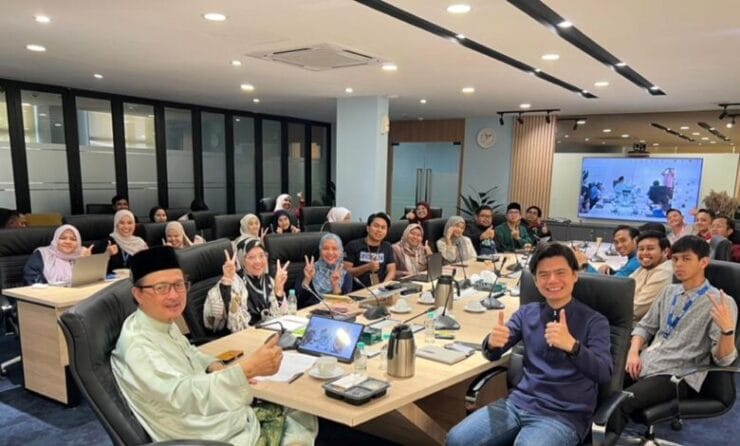
Announcing the Reformasi Pentadbiran & Pengurusan INSKEN 2026 (RAPI 2026) at the institute’s monthly assembly, INSKEN chairman Datuk Mustaffa Kamil Ayub described the initiative as a structural and strategic overhaul aligned with the government’s broader national administrative reform agenda.
He said the reform blueprint would modernise INSKEN’s organisational structure, strengthen performance metrics and enhance its delivery ecosystem to meet evolving entrepreneurial demands.
INSKEN has steadily expanded its outreach, increasing its annual entrepreneur development footprint from 10,000 participants to 13,000 in 2024. The institute aims to reach 26,000 entrepreneurs annually by 2026. Over the past 20 years, INSKEN has supported more than 160,000 entrepreneurs nationwide.
Datuk Mustaffa said building 21st-century Madani entrepreneurs requires deep structural transformation, including shifts in mindset, stronger financial discipline, improved ecosystem literacy, better access to capital and continuous knowledge enhancement.
He stressed the importance of closer mentorship ties with corporate players, industry “deep dives” into high-growth and future-focused sectors, and stronger international market access under the “Go ASEAN, Go Global” strategy.
Five strategic pillars
The RAPI 2026 framework is anchored on five core pillars:
Excellence in training modules
Transformation of M40 and B40 entrepreneurs
Digitalisation and artificial intelligence (AI) adoption
Revenue generation and financial sustainability
National coordination through PRIME and Centres of Excellence (COE)
Under the plan, INSKEN will introduce real-time performance dashboards, integrate national data systems with agencies such as MyDigital and SME Corp, deploy AI-based participant matching systems, and launch a chatbot platform known as “NadiUsahawan” to expand advisory access.
At the district level, dedicated INSKEN advisory desks will function as one-stop entrepreneurship hubs. PRIME district offices will operate as mini development centres with strict key performance indicators, including upgrading at least 100 entrepreneurs annually.
Social inclusion and global expansion
INSKEN will also roll out targeted programmes for vulnerable groups, including single mothers, persons with disabilities, at-risk youth and veterans, through high-impact social entrepreneurship frameworks.
Internationally, the institute is planning multilateral collaborations such as the ASEAN SME Leadership Programme, regional entrepreneurship festivals and joint certification initiatives with local and overseas universities.
Datuk Mustaffa said the Madani entrepreneur model must be anchored in sustainability, well-being, innovation, respect, compassion and integrity.
“Entrepreneurship is not merely about profit. It must bring benefit to society and the environment,” he said, adding that ethical business conduct and social contribution must shape Malaysia’s next generation of entrepreneurs.
The reform positions INSKEN as a central institutional driver of Malaysia’s long-term economic transformation, aligning entrepreneurship with national resilience, social responsibility and global competitiveness.
Source — Wilayah MY