
 admin
KUALA LUMPUR: Properly treated wastewater can not only reduce the risk of pollution, but also has the potential to be reused to support more sustainable resource management.
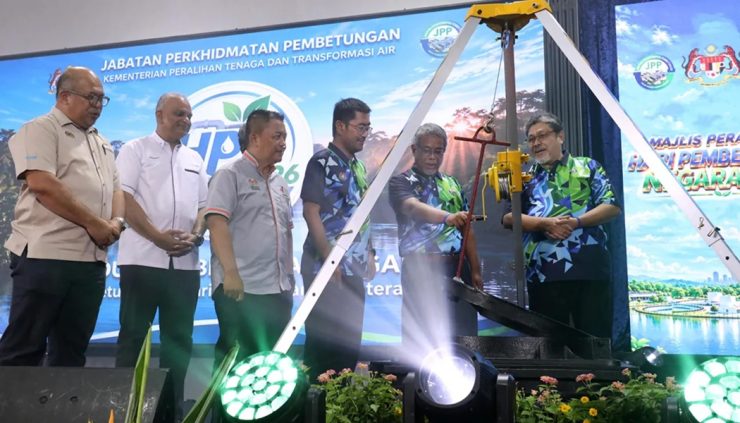
In line with these efforts, the National Sewerage Day 2026 (HPN 2026) celebration is being organised for the first time by the Sewerage Services Department, an agency under the Ministry of Energy Transition and Water Transformation (PETRA) to increase public understanding of the importance of the sewerage sector, including its role in preserving the environment, water resources and public health.
Director General of the Sewerage Services Department, Ir. Alias Mohamed said that the sewerage sector now has the potential to expand beyond its traditional function as a wastewater treatment service, especially through the reuse of treated water and the production of new resources that have economic value.
According to him, among the potentials that can be explored include the use of reclaimed water for appropriate purposes, the production of biosolids for permitted uses and the use of biogas as an energy source.
“Treated wastewater and sewage treatment by-products have the potential to be utilized as new resources that have economic value,” he said when speaking at the National Sewerage Day 2026 Opening Ceremony at IWK Eco Park, Pantai Dalam, here, on Sunday.
He said the approach also opens up space for the development of a circular economy in the sewerage sector, but its implementation must take into account aspects of safety, quality, technical standards, economic feasibility and regulatory requirements.
Meanwhile, Alias stressed that the sewerage system plays an important role in ensuring that wastewater from residences, business premises and developments is collected and treated properly before being released into the environment.
He said inefficient management could not only affect environmental cleanliness, but also risk polluting rivers and water sources and affecting public health.
He also recognized the role of Indah Water Konsortium Sdn. Bhd. (IWK) as a key strategic partner in the operation and maintenance of the country’s sewerage services.
According to him, IWK manages a network of over 9,000 sewage treatment plants and pumping stations as well as over 22,000 kilometres of sewerage pipes, which requires technical expertise, skilled manpower and ongoing asset maintenance.
“This scale of operations requires technical expertise, skilled workforce, systematic asset maintenance and continuous performance monitoring,” he said.
At the same time, he reminded the community to use the sewerage system responsibly, including avoiding disposing of solid waste, used cooking oil, disposable diapers and tissues into toilets or drains as this could cause blocked drains, disruption of operations and sewage overflow.
Owners of premises that use individual septic tanks are also advised to ensure that maintenance and emptying of the tanks is carried out regularly according to requirements and set guidelines.
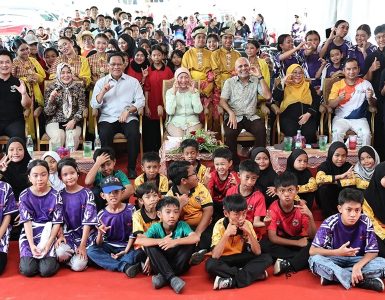
Meanwhile, visitor Nur Fasihah Rosli, 27, said the reception gave her the opportunity to understand the wastewater management process, which was previously little known to the community.
He said that interactive activities including virtual reality displays and robotics demonstrations also attracted his interest because they allowed visitors to see more closely how the wastewater treatment process was carried out.
“It’s fun to come here because there are many things to learn. So far we only know about wastewater, but we don’t know how the process works and where the waste goes,” he explained.
He also believes that such programs should be expanded, especially to young people, as they can increase knowledge and awareness about using water wisely and how to manage waste properly.
Themed “Sustainable Sewerage, Prosperous Living”, the celebration, which took place from 8 am to 1 pm, also brought together government agencies, industry players, educational institutions and the local community.
Meanwhile, Alias hopes that the celebration will not just become an annual event, but rather can build ongoing awareness of the shared responsibility in maintaining the sewerage system to protect public health, preserve the environment and improve the well-being of the people.
-Agency