

 admin
KUALA LUMPUR: The national disaster management system is advised to shift from a reactive monitoring approach to an early prediction system based on artificial intelligence (AI) and the Internet of Things (IoT) to face the threat of flash floods which are increasingly difficult to predict.
Universiti Putra Malaysia (UPM) researcher in the field of IoT sensing, Prof Dr Alyani Ismail said that although Malaysia has basic flood monitoring infrastructure such as the telemetry network operated by the Department of Irrigation and Drainage (DID), the main challenge at present is the ability to predict events in advance.
According to him, the dynamics of flash floods in urban areas are far different from seasonal monsoon floods because they occur in a very short period of time and require a quick response.
“We need to distinguish between the use of technology to monitor floods and the ability to predict flash floods in advance.”
“Our warning system needs to move from simply reporting rising water levels to a system that is capable of analysing rainfall patterns and water flow.”
“We want this system to help anticipate risks in the field before the situation becomes dangerous,” he said when contacted by Astro AWANI on Monday.
Commenting further, Alyani said IoT integration allows critical data such as rainfall intensity and water flow speed to be automatically sent to the control centre.
According to him, the data is important because a sudden increase in water speed can create a major risk even if the river level initially appears low and safe.
Alyani said the data-based forecasting approach was in line with the government’s efforts through the concept of anticipatory action , which was emphasised by Deputy Prime Minister Datuk Seri Ahmad Zahid Hamidi, to strengthen the country’s smart early warning system.
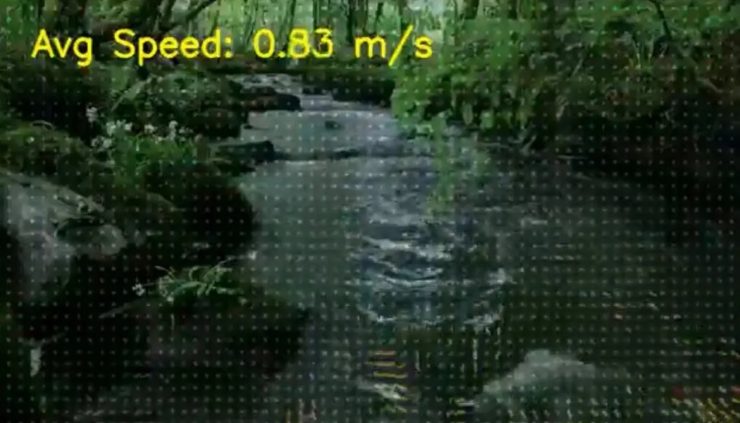
In this regard, UPM is developing the Eyes on the River (AIR) innovation which utilizes camera technology and AI-based video analysis to measure river flow speed without the need for physical sensors installed in the water which are at risk of damage or drifting.
However, he said the effectiveness of the smart warning ecosystem still depends on the resilience of the communication network, including the use of satellite systems as a contingency plan, as well as the ability to ensure that warnings are received by the people quickly and clearly.
“No matter how sophisticated the system, it will not provide full benefits if the warning fails to reach or is not understood in a timely manner by the community in the danger zone,” he said.
-Agency