

 admin
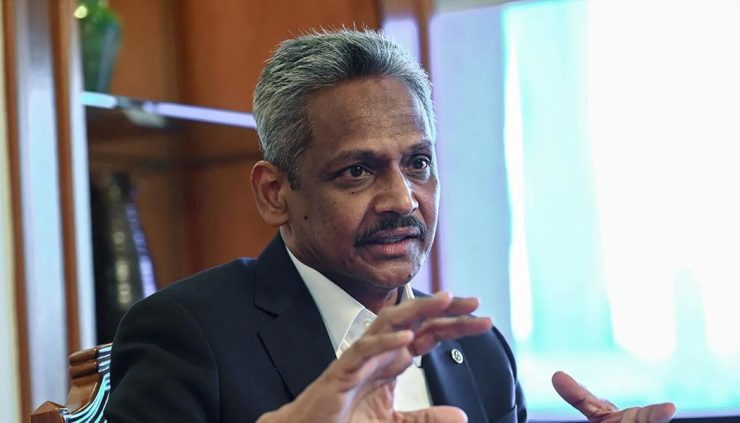
KUALA LUMPUR: Efforts to control medical insurance premiums alone will not solve the problem of rising healthcare costs, as the underlying cost of treatment itself also needs to be addressed, said Bank Negara Malaysia (BNM) Governor Datuk Seri Abdul Rasheed Ghaffour.
He said rising medical costs, soaring insurance claims and higher premiums were important indicators of the pressure on the healthcare system.
Private spending on healthcare, including insurance and out-of-pocket spending, is now almost on par with public spending, while total medical plan benefit payments have increased more than 13-fold from less than RM1 billion in 2003.
“For some families, maintaining meaningful medical coverage is becoming increasingly difficult,” he said in his keynote address at the 103rd Reunion Dinner of the Alumni Association of King Edward VII College of Medicine, University Malaya and University of Singapore in Petaling Jaya, last night.
The text of his speech was released today.
Abdul Rasheed said as part of efforts to make medical coverage more accessible, a basic medical insurance and takaful plan known as ‘MediAsas’ is scheduled to be launched in January 2027.
“This plan will undergo periodic review by the independent MediAsas board to ensure that its benefits and prices remain relevant,” he said.
He said other reform measures included greater transparency in the cost of medical treatment, with treatment costs for the most common procedures already published, along with the prices of medicines.
According to Abdul Rasheed, there is also a need to gradually shift from a volume-based healthcare system (amount of services) to a value-based system, which rewards truly effective treatment and not simply based on the quantity of treatment provided.
BNM, in collaboration with the Ministry of Health, is developing a payment method that makes costs more predictable and creates stronger incentives to ensure that treatment provided is appropriate and efficient, he said.
“Through MediAsas, this includes a move towards a diagnosis-based payment approach to make costs more predictable and reward service providers for greater efficiency.
“When costs are predictable, protection can also be more predictable,” said Abdul Rasheed.
On digital healthcare, Abdul Rasheed said interoperable electronic medical records (EMRs) are now available, with pilot trials being conducted in public hospitals and selected private hospital groups.
He also highlighted the Healthcare Partner Protocol and Resolution Committee, bringing together doctors, hospitals, and insurance companies to strengthen collaboration, resolve claims-related issues, and clarify established protocols.
Emphasizing the role of medical practitioners, Abdul Rasheed said doctors play a key role in ensuring that patients receive appropriate treatment and that healthcare resources are used effectively.
“Value-based healthcare cannot simply be a funding concept or a regulatory program. It must be part of the way we think about quality healthcare.
“It’s not about reducing care simply to save costs. Instead, it’s about providing the right amount of care, at the right time, for the right patient with the right outcomes,” he said.
— BERNAMA